
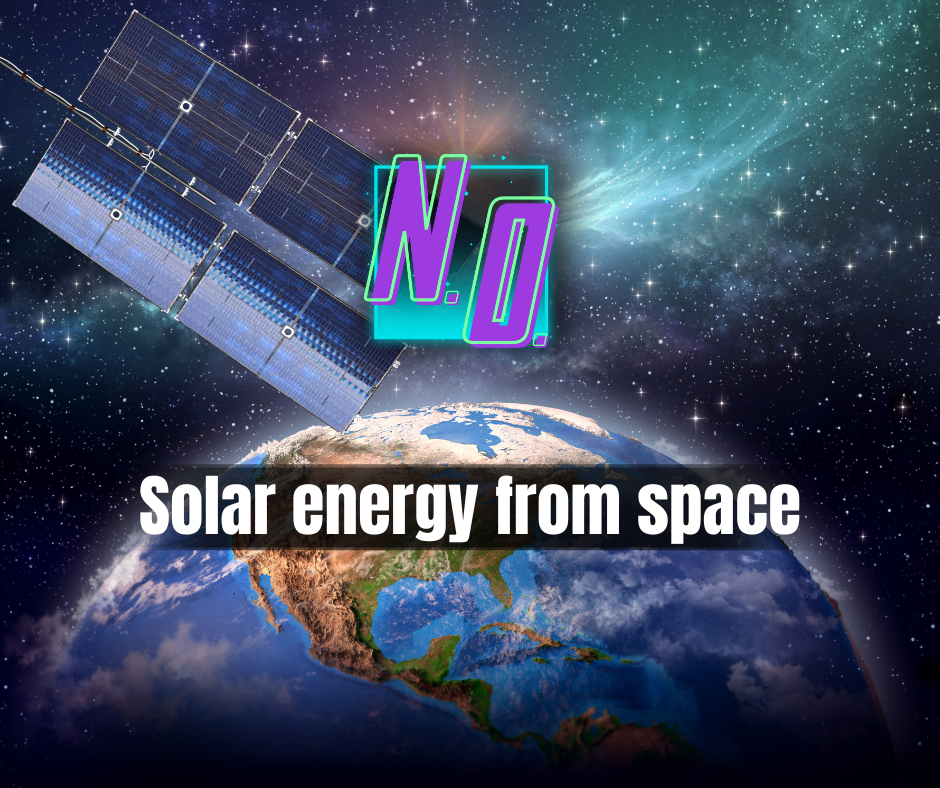
A space-based solar power plant that can generate around 30 megawatts of electricity, possibly enough to power 1,500–3,000 houses, is being developed by the UK-based business Space Solar in collaboration with Reykjavik Energy and the Icelandic sustainability project Transition Labs, with plans set to commence in 2030. This innovative project aims to harness the immense potential of solar energy by utilizing advanced solar panels that will capture sunlight in orbit, where it is far more abundant and consistent than on the Earth’s surface. Once captured, the energy will be converted into radio waves sent at a specific frequency to a strategically located ground station, where these waves will be efficiently transformed into grid power. This groundbreaking initiative not only represents a significant step toward sustainable energy production but also highlights the importance of international collaboration in addressing global energy challenges. The successful implementation of this technology could pave the way for a new era of clean energy, reducing reliance on fossil fuels and contributing to a more sustainable future for generations to come.
By 2036, the business hopes to deploy a larger version of the system—which would generate gigawatts of electricity—in orbit, significantly enhancing the capacity for renewable energy production and potentially revolutionizing how we power our planet. This ambitious project not only aims to address the growing global energy demands but also focuses on minimizing the environmental impact associated with traditional energy sources, paving the way for a future where clean energy is abundant and accessible to all. With advanced technology and innovative engineering, the system is designed to harness the limitless energy of the sun, transforming it into a sustainable resource that could support various applications on Earth and in space.

It’s a daring proposal, no doubt, and one that has sparked considerable interest and debate within the scientific community. That type of power is still far from being achieved in orbital energy transfer, which remains a frontier in energy innovation and exploration. Although the technique itself is undoubtedly feasible, as demonstrated by various theoretical models, the Caltech demonstrator this year only sent milliwatts of electricity to Earth, highlighting the significant technological challenges that still exist. A billions of times more electricity must be delivered by the Icelandic idea, which envisions a revolutionary approach to harnessing energy from space. This ambitious project not only promises to advance our capabilities in energy transfer but also paves the way for sustainable energy solutions that could benefit humanity on a global scale. As researchers continue to explore this bold concept, the potential implications for electric power generation and distribution could be transformative.
 New Oddity
Leave a comment